
Common Defects in Road Markings: Causes, Observations, and Preventive Measures
Date: December 2022
Prepared by: A team of expert Traffic Safety Engineers at Kataline
Locations Covered: Various Sites Across North India
Accident reduction: 45%
Improved visibility
Faster response time
Thermoplastic road markings play a vital role in modern infrastructure, providing clear and durable guidance for traffic regulation. Various defects often arise during or after their application, diminishing both their effectiveness and longevity. This article delves into some of the most common issues encountered across multiple locations in North India, examining their causes and offering preventive measures to mitigate these problems.
One prevalent issue is the formation of bubbles beneath the surface of thermoplastic road marking lines. These bubbles create irregularities and weaken adhesion. The primary cause is moisture trapped within the concrete surface, which evaporates and expands during application. To prevent this, it is essential to ensure that the road surface is completely dry before applying the markings. Concrete surfaces must also be given adequate curing time, and markings should not be applied immediately after rain or in dewy conditions. A waiting period of at least 75 days after the finish coat of bitumen or concrete is recommended. Additionally, primers must dry fully before application, and the surface temperature should be above 9°C during the process.
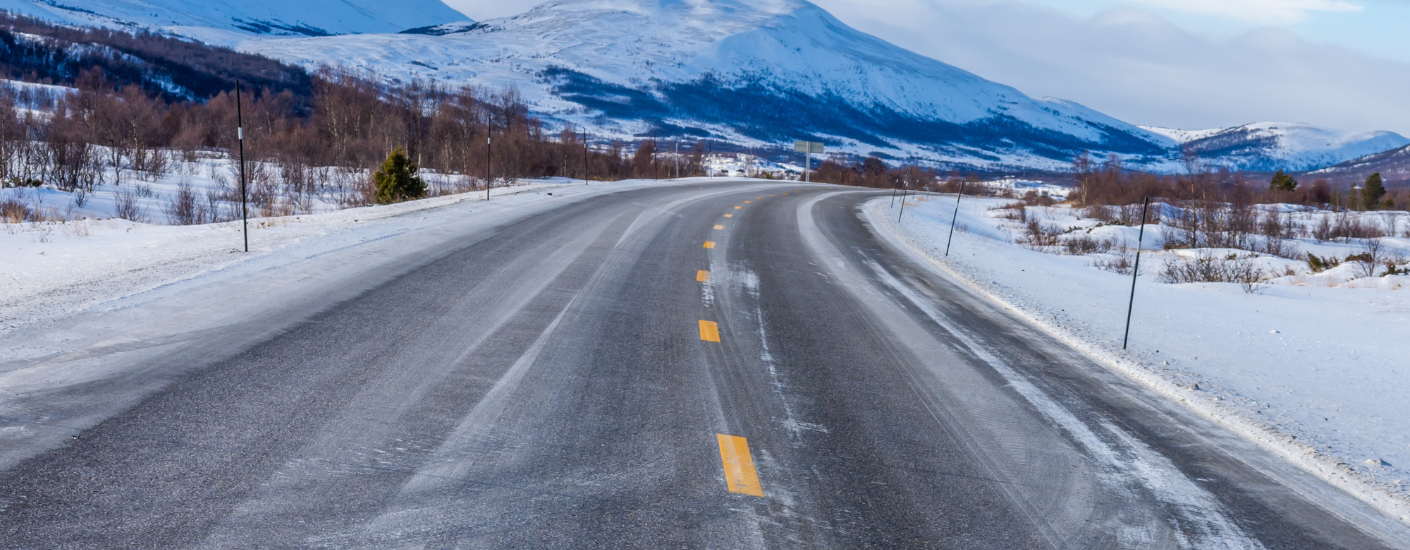
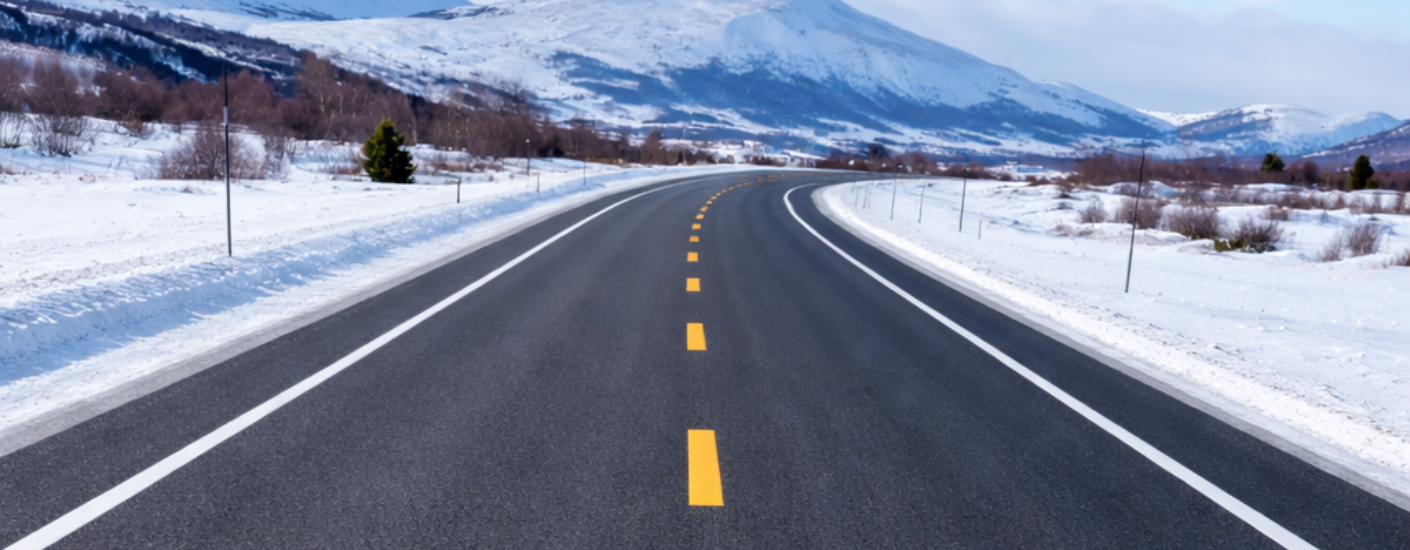
Another common defect is the discolouration of markings, where white thermoplastic markings turn yellow or dirty white. This typically occurs due to overheating during the preheating stage or mixing old and new material batches. To address this, manufacturers’ recommended temperature settings should be strictly followed. Gradually increasing and monitoring the temperature ensures proper viscosity and maintains the original colour. Furthermore, boilers should be cleaned thoroughly after each batch to prevent contamination.
Peeling of thermoplastic markings is another issue frequently observed. This happens when the markings fail to adhere properly to the road surface. Common causes include improper surface preparation, the presence of moisture, grease, or oil, and low surface or ambient temperatures during application. Preventive measures include ensuring that concrete or asphalt surfaces are adequately cured before application, cleaning the road surface thoroughly, and removing any existing markings prior to the new application. Using a primer can enhance adhesion, particularly on older road surfaces.
Grooves and scratch marks on the surface of the markings are often caused by blockages in the screed shoe’s discharge point due to stones, dust, or other foreign particles. This can be avoided by regularly cleaning the screed shoe filter to remove obstructions. Adjusting the angle of the applicator shoe also ensures an even and smooth application.
Tyre marks on freshly applied road markings are another challenge, typically resulting from insufficient curing time for thermoplastic markings or premature traffic access. Bleeding of asphalt, where tyre material transfers onto the markings, also contributes to this issue. Preventive steps include allowing a curing period of at least 75 days for asphalt surfaces before marking application and providing a minimum of two hours for thermoplastic curing before permitting traffic. Washing the surface with water can also help remove temporary blackening caused by tyre marks.
The quality and durability of thermoplastic road markings rely on meticulous application techniques, adherence to manufacturer recommendations, and attention to environmental conditions. Issues such as bubbles, peeling, discolouration, and tyre marks can be effectively mitigated with proper preparation and monitoring during application. By addressing these common defects, road marking projects can achieve better performance, delivering clear and long-lasting results for road users.
This case study provides practical insights for professionals, helping enhance the quality of thermoplastic road markings across diverse sites.