
Other Solutions
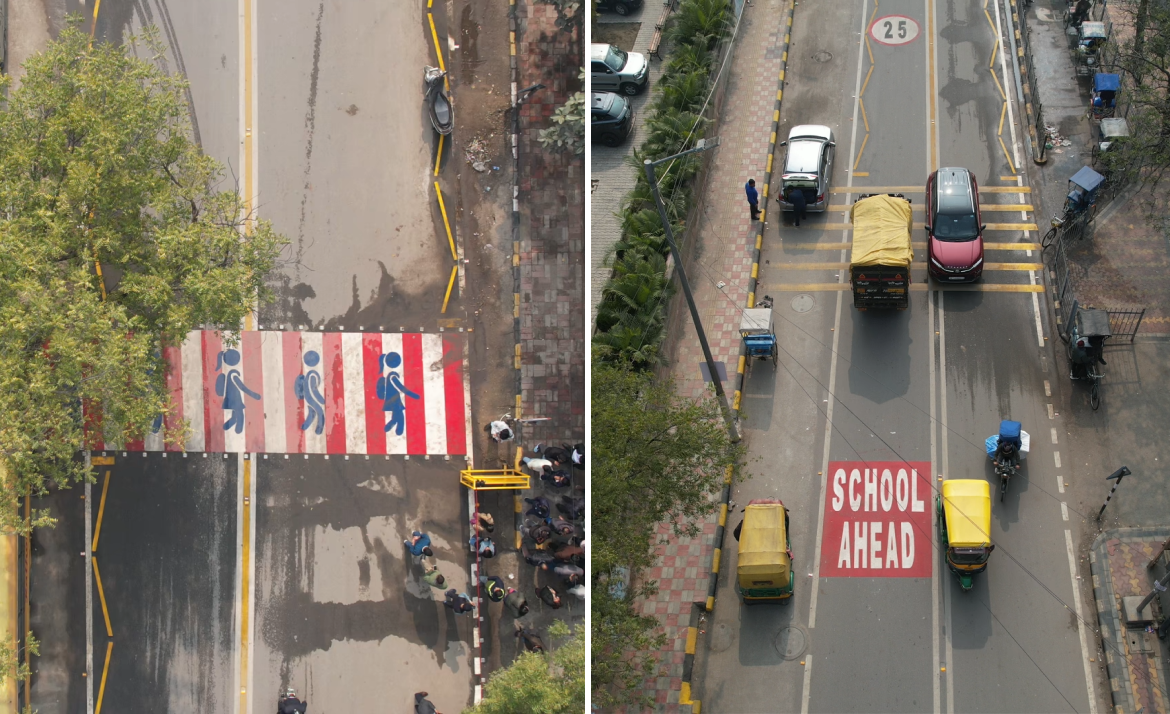
The primary aim of the School Zone Safety Concept is to create safer environments around schools by reducing accidents and protecting children. This is achieved through clear, effective traffic management systems that combine visual, auditory, and tactile elements to enhance driver awareness and control. The concept also makes school zones more approach-friendly for cyclists, buses, children crossing the road, and ongoing traffic that may not necessarily be heading towards the school. By carefully designing these zones, we improve safety for all road users, whether they are navigating the area on foot, by bike, or in vehicles. Ultimately, this concept fosters a safer, more controlled environment for everyone, reducing the risk of accidents and ensuring children can travel to and from school with greater security.
Key Safety Features:
- Enhanced Visual Awareness: Brightly coloured road surfaces and prominent horizontal signage are used to alert drivers to the presence of a school zone. These visual cues act as immediate reminders to slow down and exercise caution. Easily visible designs for theme-based pedestrian crossings and school zone symbols ensure maximum visibility, even in busy or cluttered urban environments. Pedestrian crossings and road surfaces can signify the utility or functionality of a specific road, helping users navigate spaces more effectively. Signage plays a crucial role in informing people about the nature of the road, while bus and cycle lanes demarcate specific areas to ensure the safe and organised movement of all kinds of traffic.
- Auditory and Tactile Feedback: To engage all the senses of a driver, rumble markings are incorporated. These features create vibrations and sound as vehicles pass over them, reminding drivers to reduce speed. Rumble markings act as speed breakers that gradually reduce speeds, creating a safer walking environment across the pedestrian crossing. By appealing to hearing, touch, and vision, these measures ensure a stronger impact on driver behaviour and reinforce the importance of vigilance in school zones.
- Dedicated Traffic Lanes: Separate walkways, cycle tracks, and bus lanes are established to minimise interaction between vehicles and pedestrians. This segregation streamlines movement and significantly reduces the risk of accidents involving children walking or cycling to school.
- Reflective Markings for Low-Light Conditions: Reflective road markings and signage are installed to ensure clear visibility during early mornings, evenings, or foggy weather. These features enhance driver awareness at all times, reducing the likelihood of accidents caused by poor lighting or visibility.
Implementation Examples:
- Strategically Placed Pedestrian Crossings and Symbols: Crossings and school zone markings are positioned in locations where drivers are most likely to notice them. This ensures that safety measures are effective and not overlooked in high-traffic areas.
- Clear Speed Limits and Guidance Systems: Speed limit signage, coupled with directional traffic guidance systems, encourages drivers to adhere to safety norms. These measures help create a disciplined traffic environment around schools.
- Durable Materials and Innovative Designs: The use of long-lasting materials and thoughtfully designed road elements ensures that safety features remain effective over time, reducing the need for frequent maintenance while ensuring consistent protection for children.