
Common Defects in Road Markings: Causes, Observations, and Preventive Measures
Date: December 2022
Prepared by: A team of expert Traffic Safety Engineers at Kataline
Locations Covered: Various Sites Across North India
Accident reduction: 45%
Improved visibility
Faster response time
Road markings are vital for traffic safety and effective navigation. When properly applied, they guide drivers, mark lanes, and help prevent accidents. Defects during the application process can compromise the effectiveness and longevity of these markings. This article explores the common defects observed in thermoplastic road markings, the underlying causes of these issues, and provides practical solutions to ensure lasting, high-quality results.
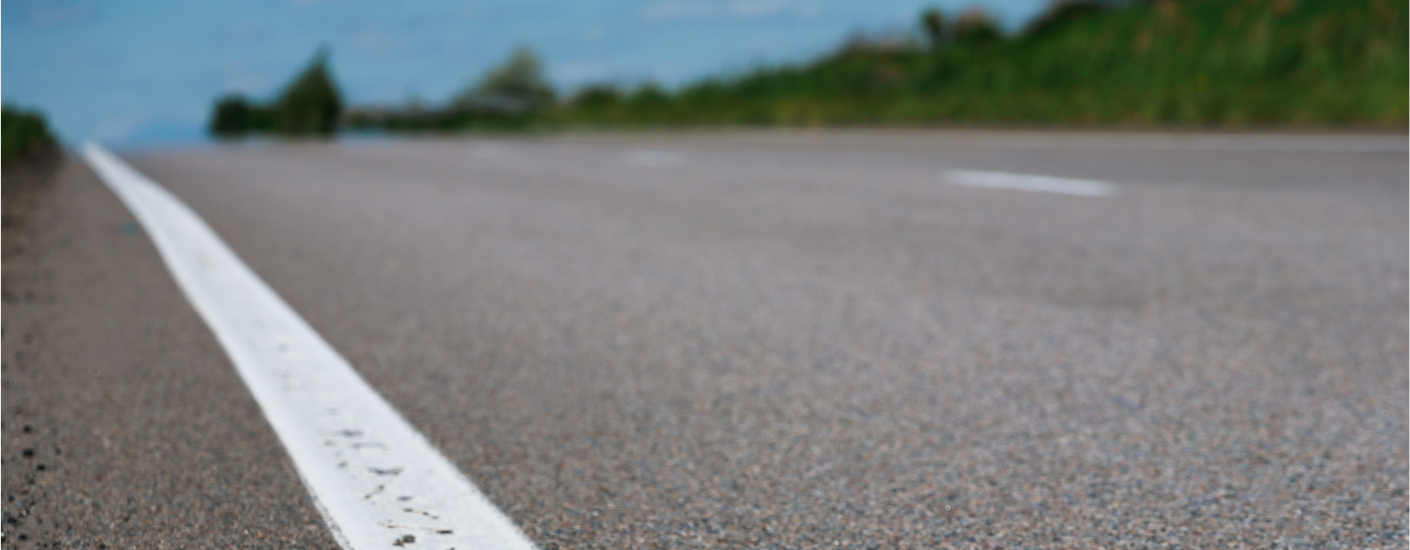
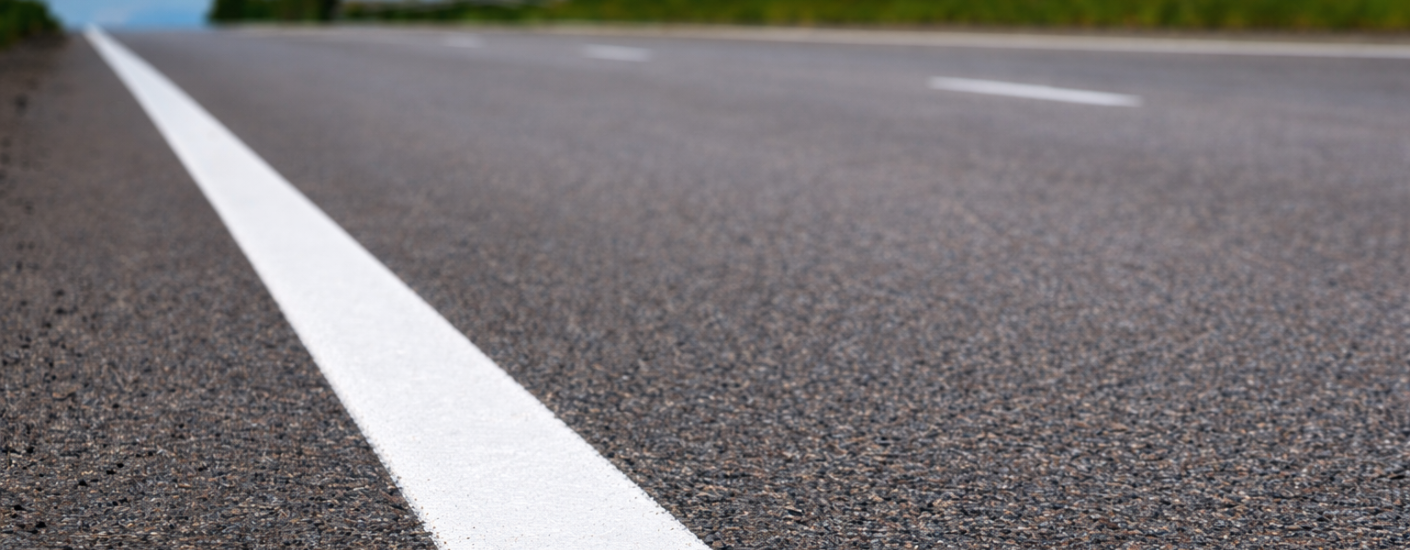
One common issue encountered in thermoplastic road markings is the appearance of small holes, or pinholes, on the surface. These pinholes occur when moisture present on the road surface evaporates and expands during the application process. The trapped moisture creates small bubbles that rupture, leaving behind holes in the marking.
To prevent this defect, it is crucial to avoid applying thermoplastic material immediately after rain or during conditions where dew is present. Adequate time must be allowed for the road surface to dry completely before the application begins. It is essential to ensure that the concrete surfaces are properly cured before applying the road markings.
Thermoplastic markings should be applied at least 75 days after the final coat of bitumen or concrete has been completed. Furthermore, it is important to ensure that the primer has dried completely before proceeding with the application. To avoid overheating the thermoplastic material, the temperature should be gradually increased during the application process.
Another common defect is the blackening of the road markings, where the surface of the thermoplastic turns black after application. This issue occurs when dust, carbon particles, or freshly laid bitumen transfer onto the road marking surface. This is especially problematic in high-traffic areas where vehicles frequently pass over newly applied markings, transferring contaminants from their tyres or from the road surface.
To prevent blackening, it is essential to allow bitumen surfaces to cure for 75 to 90 days before applying thermoplastic road markings. Temporary blackening caused by dust or carbon particles can often be cleaned with potable water. Vehicles should be kept off freshly applied markings for at least two hours or until the required curing time has passed. Special care should be taken in high-traffic zones, such as speed bumps, petrol pump entrances, and parking areas, where vehicular wear and braking are more frequent, as these areas are more prone to contamination.
Cracking in road markings is another defect that can significantly reduce their durability. Cracks appear when the thermoplastic material lacks flexibility, causing it to break when subjected to temperature changes. This problem is particularly prevalent in colder seasons when large temperature fluctuations occur between day and night. Cracks can also result from uneven thickness in the application or improper preparation of the road surface.
To avoid cracks, it is essential not to apply thermoplastic markings over two-component cold plastic markings, and vice versa, as this can cause incompatibility. The laying shoe of the applicator should be adjusted to ensure a uniform thickness of the thermoplastic layer. For coloured road surfaces, two-component cold plastic materials may be a better option as they offer greater durability than thermoplastic. The concrete or asphalt surfaces must be fully cured before any markings are applied, and any existing road markings should be removed to ensure a clean, uniform finish.
To prevent this defect, it is crucial to avoid applying thermoplastic material immediately after rain or during conditions where dew is present. Adequate time must be allowed for the road surface to dry completely before the application begins. It is essential to ensure that the concrete surfaces are properly cured before applying the road markings.
Thermoplastic markings should be applied at least 75 days after the final coat of bitumen or concrete has been completed. Furthermore, it is important to ensure that the primer has dried completely before proceeding with the application. To avoid overheating the thermoplastic material, the temperature should be gradually increased during the application process.