
Coloured road surfacing is a pavement treatment constructed using pigmented materials — rather than traditional black asphalt or grey concrete — to visually distinguish specific zones of the road for safety, traffic management, or wayfinding purposes. It is commonly used in cycle lanes, bus lanes, pedestrian crossings, and traffic calming schemes to draw driver attention and clearly separate different types of road users.
Table of Contents
ToggleWhat Is Coloured Road Surfacing?
Coloured road surfacing refers to pavement surfaces built or overlaid using pigmented binders, resin systems, or coloured aggregates instead of standard bitumen or concrete. Unlike simple paint markings applied on top of a road, coloured surfacing typically forms a more durable, integrated colored layer designed to withstand ongoing traffic while maintaining its distinct appearance over time.
The purpose of coloured surfacing goes beyond aesthetics – it serves a functional road safety role by making certain lanes, zones, or hazard points instantly recognizable to drivers, cyclists, and pedestrians alike.
Why Coloured Road Surfacing Is Used
- Visual Segregation of Road Users Coloured surfacing clearly separates cyclists, buses, and general traffic, reducing the likelihood of accidental lane incursions and improving overall traffic discipline.
- Increased Driver Awareness A distinct color change alerts drivers to an upcoming change in road use – such as approaching a cycle crossing, bus lane, or school zone – prompting more cautious driving behavior.
- Enhanced Safety at Conflict Points Junctions, roundabouts, and merge points where cyclists or pedestrians cross vehicle paths benefit significantly from coloured surfacing, which highlights these higher-risk interaction zones.
- Support for Traffic Calming Schemes Coloured surfacing is frequently used alongside other traffic calming measures to visually narrow perceived road width or signal a transition into a lower-speed zone, encouraging drivers to slow down.
- Wayfinding and Urban Identity Beyond safety, coloured surfacing can be used to define pedestrian plazas, urban centers, or special zones, contributing to a more organized and legible street environment.
Common Applications of Coloured Road Surfacing
- Cycle Lanes Typically finished in green or red, coloured cycle lanes clearly demarcate space reserved for cyclists, improving both cyclist safety and driver awareness of shared road sections.
- Bus Lanes Often surfaced in red, bus lane coloring helps deter unauthorized vehicle use and reinforces priority access for public transport, improving service reliability.
- Pedestrian Crossings and School Zones Coloured surfacing near crossings and schools increases driver alertness in areas with high pedestrian activity, particularly involving children.
- Traffic Calming Zones Residential streets, town centers, and areas near hospitals or community spaces often use coloured surfacing to visually signal reduced speed expectations.
- Cycle Crossings at Junctions Where cycle lanes intersect with vehicle traffic at junctions, coloured surfacing highlights the crossing point, reducing the risk of collisions during turning movements.
How Coloured Road Surfacing Is Applied
- The existing road surface is cleaned and prepared to ensure proper bonding.
- A resin or pigmented binder system is applied to the prepared surface.
- Coloured aggregate is broadcast onto the wet binder and pressed or rolled into place.
- Excess loose aggregate is swept away once the binder has cured.
- The result is a durable, textured, coloured surface bonded firmly to the underlying pavement, capable of withstanding continued traffic use.
Benefits of Coloured Road Surfacing
- Improved safety through clear visual segregation of road users
- Reduced conflict-point accidents at junctions and crossings
- Better compliance with lane restrictions such as bus-only lanes
- Long-lasting color retention when using UV-stable, high-quality pigmented systems
- Skid resistance benefits, particularly when combined with a textured aggregate finish
- Enhanced urban aesthetics alongside functional safety benefits
Conclusion
Coloured road surfacing plays a dual role in modern road infrastructure — enhancing safety by clearly segregating road users at critical points, while also supporting traffic calming and urban wayfinding goals. From cycle lanes to school zones and bus corridors, its targeted use continues to grow as cities and highway authorities prioritize safer, more organized road environments for all users.
Frequently Asked Questions
What is coloured road surfacing made of?
It typically consists of a resin or pigmented binder system combined with coloured aggregate, bonded onto the existing road surface to create a durable, integrated coloured layer.
Why are cycle lanes often coloured?
Coloured cycle lanes improve visibility and awareness, helping both drivers and cyclists recognize dedicated cycling space and reducing the risk of unintentional lane incursions.
Is coloured road surfacing the same as road paint?
Not exactly — while both add color to a road surface, coloured road surfacing typically forms a more durable, textured, integrated layer, whereas paint is a thinner surface application.
Where is coloured road surfacing commonly used?
Common applications include cycle lanes, bus lanes, pedestrian crossings, school zones, traffic calming schemes, and cycle crossings at junctions.
Does coloured road surfacing improve skid resistance?
When applied with a textured aggregate finish, coloured surfacing can offer improved skid resistance in addition to its visual safety benefits.
Latest Blogs
-
Coloured Road Surfacing Explained: Uses in Cycle Lanes, Bus Lanes & Traffic Calming
-
 Cold Plastic Road Marking Paint: How It Works and Where It's Used
 -
 Airfield Marking Paint: Types, Standards & Why Airports Need It
 -
 High Friction Road Surfacing: What It Is and Why It Improves Road Safety
 -
 What Is a Black Spot on the Road? Meaning, Causes & How to Identify One
 -
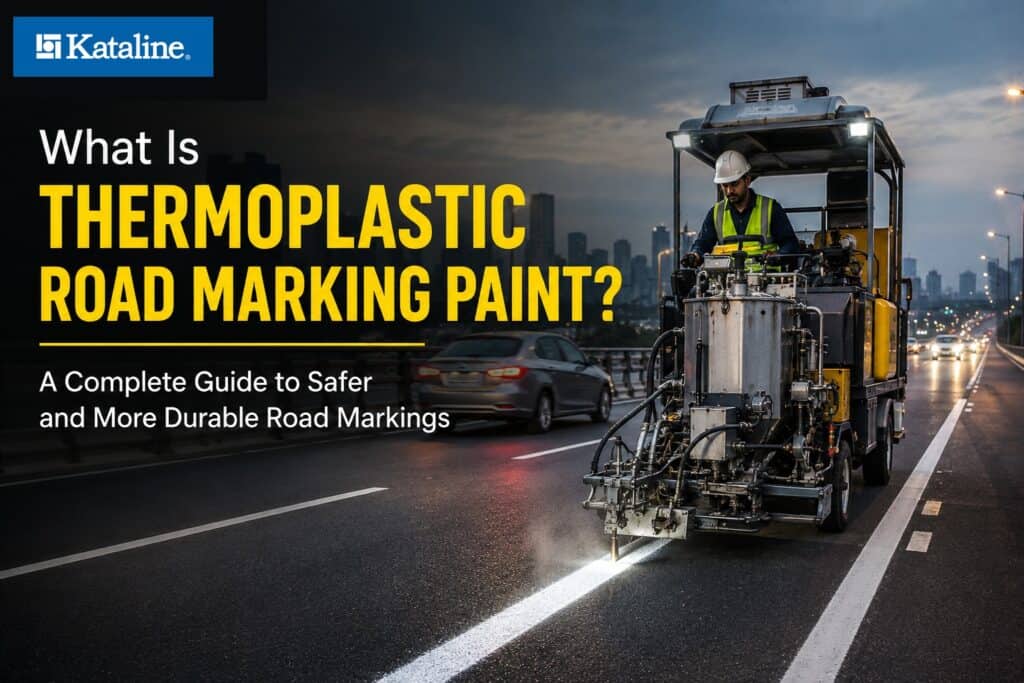 What Is Thermoplastic Road Marking Paint? A Complete Guide to Safer and More Durable Road Markings