
A black spot on the road is a specific stretch – typically around 500 metres – that has been officially identified as particularly hazardous due to a high concentration of traffic accidents occurring there repeatedly over a defined period. Black spots are marked for priority safety intervention by road authorities because they represent locations where crashes cluster far more frequently than the surrounding road network.
Table of Contents
ToggleUnderstanding the Meaning of “Black Spot”
The term “black spot” is widely used in road safety and traffic engineering to describe a location – usually a stretch of highway, an intersection, or a curve – where accidents occur at a significantly higher rate than average. Road authorities across the world, including India’s Ministry of Road Transport and Highways (MoRTH), use black spot identification as a core part of accident-reduction planning.
A black spot is not simply “any place where an accident happened.” It is a data-driven classification, typically defined by two criteria within a three-year study period:
- A minimum number of road accidents (often five or more) recorded within the identified stretch
- A minimum number of fatalities resulting from those accidents
Once a stretch meets these thresholds, it is officially flagged as a black spot and prioritized for engineering, enforcement, or awareness interventions.
Why Do Black Spots Form?
Black spots typically develop due to a combination of physical, environmental, and human factors, including:
- Poor Road Geometry Sharp curves, sudden gradient changes, or narrow carriageways can catch drivers off guard, especially at higher speeds.
- Inadequate Signage or Markings Faded, missing, or unclear road markings and warning signs reduce a driver’s ability to anticipate hazards ahead.
- Poor Visibility Blind curves, obstructed sightlines, or insufficient street lighting increase the risk of collisions, particularly at night.
- High-Speed Zones Near Intersections Junctions where high-speed traffic meets crossing or merging traffic are common black spot locations if not properly engineered.
- Surface Issues Low skid resistance, potholes, or waterlogging can reduce vehicle control, especially during braking.
- Mixed Traffic Conditions Sections shared by pedestrians, two-wheelers, slow-moving vehicles, and high-speed traffic without adequate separation are especially prone to becoming black spots.
How Are Black Spots Identified?
Road authorities identify black spots through a structured process:
- Accident Data Collection — Police and highway authority records are analyzed over a multi-year period to map accident locations.
- Threshold Screening — Locations meeting the minimum accident and fatality criteria are shortlisted.
- Site Investigation — Engineers visit the shortlisted stretch to study road geometry, signage, visibility, and traffic patterns.
- Root Cause Analysis — The underlying causes (design flaw, poor markings, speeding, etc.) are identified.
- Remedial Action Planning — Short-term (signage, markings, speed breakers) and long-term (road realignment, junction redesign) measures are proposed.
Common Remedial Measures at Black Spots
Once identified, black spots are typically treated using a mix of engineering and awareness measures:
- Improved road markings and reflective paint to increase visibility, especially at night
- Rumble strips to alert drivers before hazardous stretches
- Better signage including advance warning boards and speed limit indicators
- Junction redesign to separate conflicting traffic movements
- High friction surfacing at braking zones to reduce skidding
- Street lighting improvements for better night visibility
- Guardrails and crash barriers at high-risk curves or drop-offs
These interventions are often implemented together as part of a broader road safety improvement plan rather than in isolation.
Black Spot vs. Accident-Prone Area – Is There a Difference?
The terms are often used interchangeably, but technically, a black spot refers to a specific, data-verified location that meets formal accident and fatality thresholds, while “accident-prone area” can be a broader, less formally defined term used to describe any location perceived as risky. Official black spot lists published by highway authorities are based on verified data, not general perception.
Conclusion
Black spots represent some of the most critical intervention points for improving road safety. Identifying them accurately through accident data, followed by targeted engineering measures like improved markings, high friction surfacing, and better signage, can significantly reduce the frequency and severity of crashes at these locations. As India continues to expand its highway network, systematic black spot identification and remediation remains essential to reducing road traffic fatalities.
FAQ's
What is the official definition of a black spot on a road?
A black spot is generally defined as a roughly 500-metre stretch of road identified as hazardous due to a high concentration of accidents recorded over a defined study period, usually three years.
How many accidents does it take to classify a location as a black spot?
Most authorities, including MoRTH guidelines in India, require a minimum number of accidents (commonly five or more) along with a minimum fatality count within the study period.
What causes black spots on roads?
Common causes include poor road geometry, inadequate signage, low visibility, high-speed zones near junctions, poor surface friction, and mixed traffic conditions.
How are black spots fixed?
Black spots are typically treated with improved road markings, high friction surfacing, better signage, rumble strips, junction redesign, and enhanced lighting.
Is a black spot the same as an accident-prone area?
Not exactly – a black spot is a formally identified location based on verified accident and fatality data, while “accident-prone area” is a more general, less standardized term.
Latest Blogs
-
Coloured Road Surfacing Explained: Uses in Cycle Lanes, Bus Lanes & Traffic Calming
-
 Cold Plastic Road Marking Paint: How It Works and Where It's Used
 -
 Airfield Marking Paint: Types, Standards & Why Airports Need It
 -
 High Friction Road Surfacing: What It Is and Why It Improves Road Safety
 -
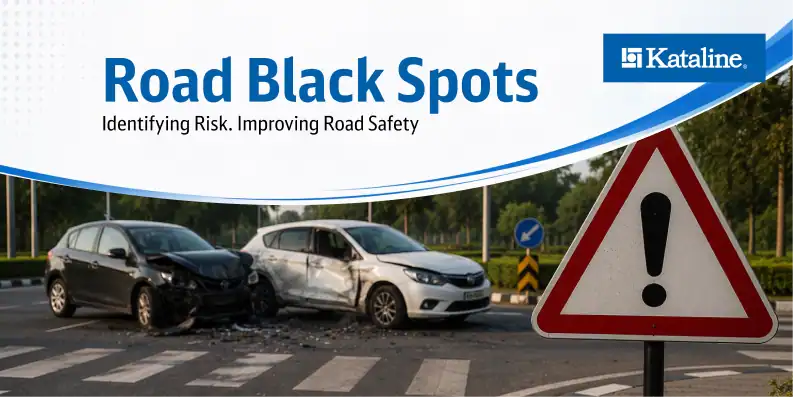 What Is a Black Spot on the Road? Meaning, Causes & How to Identify One
 -
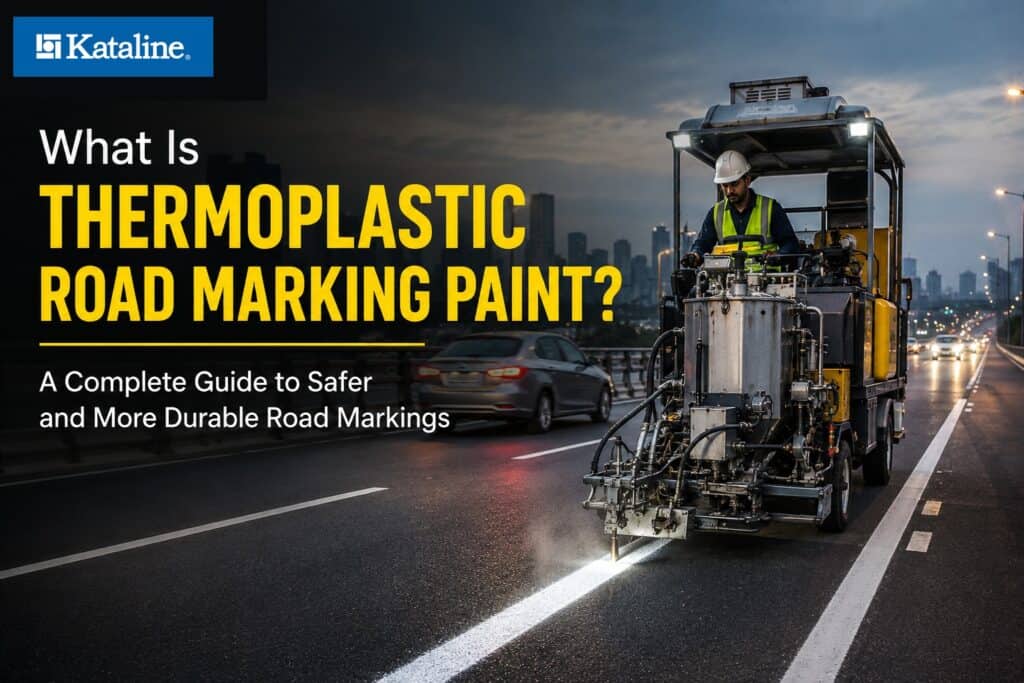 What Is Thermoplastic Road Marking Paint? A Complete Guide to Safer and More Durable Road Markings